
What is biohacking

Disclaimer: This content is for informational purposes only. I am not a physician, and nothing below is medical advice. Consult a qualified professional before adopting any practice or supplement. Everything described is my personal experience combined with a review of available research.
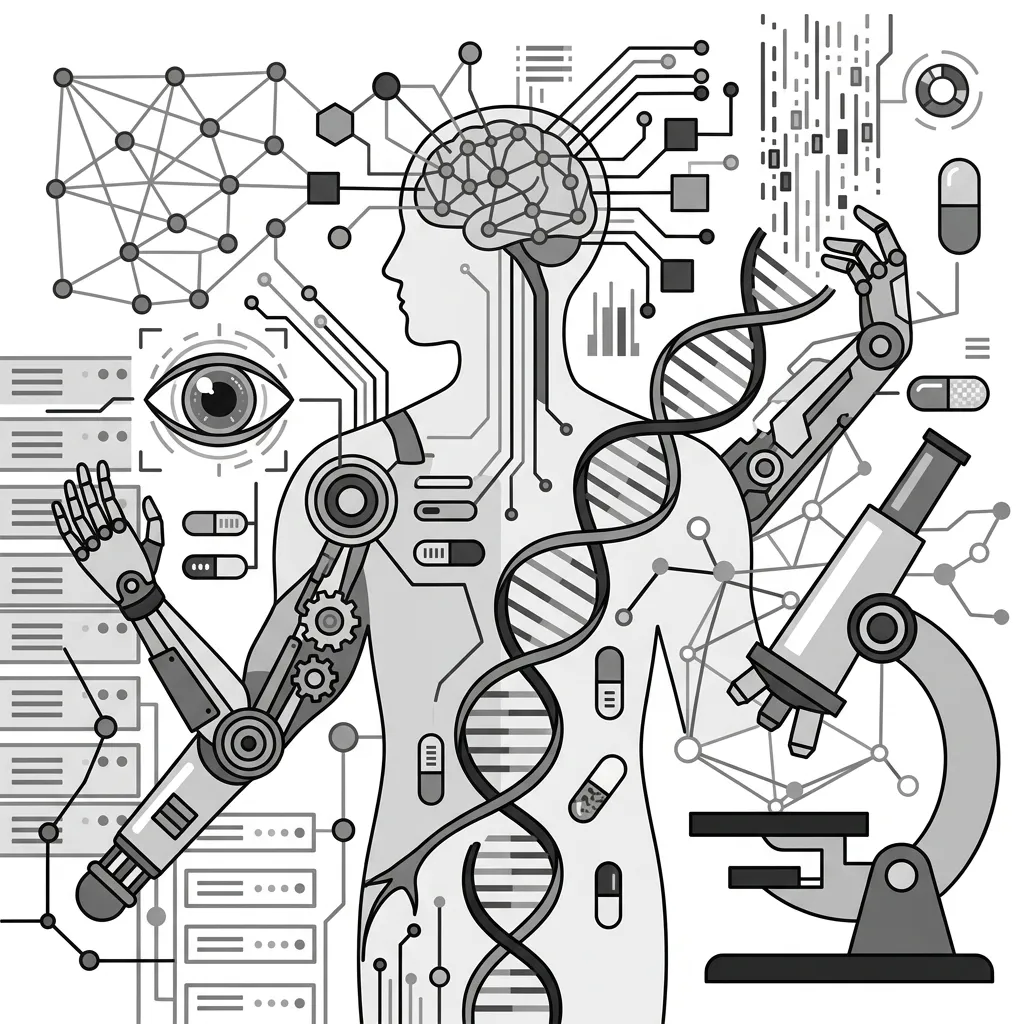
For me, the definition of biohacking is the improvement of one's vital signs based on scientific research through training, various practices, tracking, and supplements.
There are many directions in biohacking; here are the main ones:
- Cognitive performance — this is where people talk about nootropics, cognitive supplements, and anything that improves how the brain works.
- Mental state — becoming happier, lowering stress and anxiety, building stable social support.
- Energy and motivation — the ability to work through the day and the drive to actually do things are largely physiological states, not innate character traits. You can influence them.
- Longevity and rejuvenation — making it to a notional 80 without sarcopenia, diabetes, or dementia is realistic and backed by evidence-based gerontology.
- Looks and appearance — skin, hair, body, hormonal balance. Often this is a side effect of the other directions rather than a goal of its own.
Biohacking and medicine
What I do is not aimed at treating sick people with diagnoses. Biohacking is broadly about healthy people who want to improve themselves. That's the core difference from medicine: medicine works where there's pathology, biohacking works on top of that — in the space of an already-healthy body. They're different layers, not alternatives to each other.
Pluralism in biohacking
Pluralism — the absence of a single "mandatory" point of view. In the community, different views get discussed freely, which guards against dogmatism.
In medicine, you're required to provide scientific evidence, you can only practice with the proper credentials, and everything is strictly regulated. In biohacking there are many people without medical education, many opinions, many different solutions. Some just share their experience and have no interest in providing an evidence base. On top of that, every body is individual: a solution that helps one person won't suit another. So you have to approach everything critically and follow basic safety principles.
What a biohacker does
- Measuring your indicators, lab work, and health markers. Blood tests, wearables, a self-tracking journal — objective data on how your body actually works right now. It's not the only source of information, but without measurements you're flying blind.
- Practices and protocols. Sleep, nutrition, physical activity, recovery, stress management. The boring foundation everything else stands on.
- Taking supplements. Vitamins, dietary supplements, nootropics, and so on. The effects vary widely: some substances have a solid evidence base and genuinely work, others are placebos with expensive marketing. A biohacker's job is to tell one from the other.