
How I Eat

Disclaimer: This content is for informational purposes only. I am not a physician, and nothing below is medical advice. Consult a qualified professional before adopting any practice or supplement. Everything described is my personal experience combined with a review of available research.
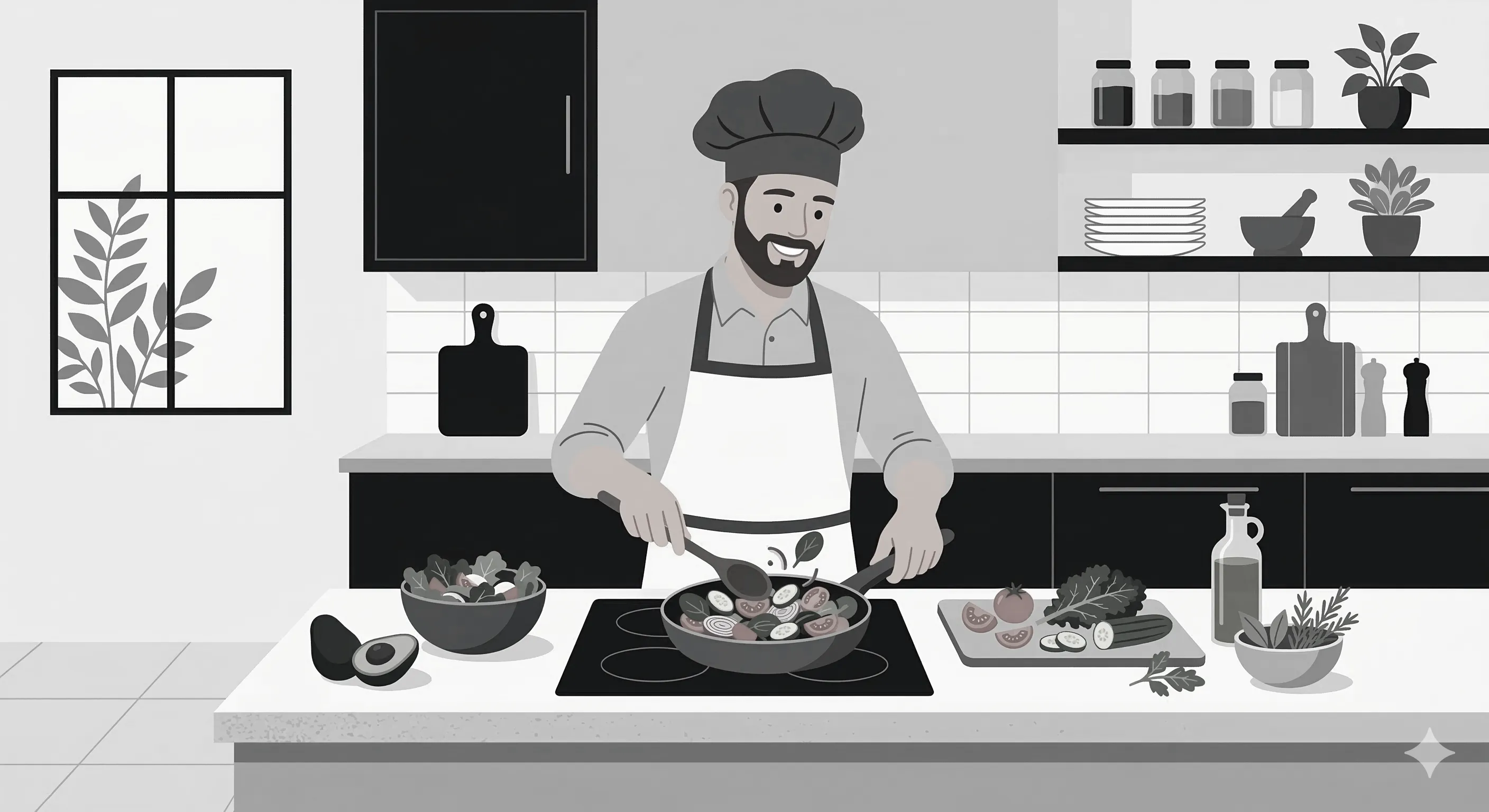
Nutrition is a lever you pull every single day. We train 3–7 times a week and sleep once every 24 hours — but we eat 3–5 times a day, and the cumulative effect over decades is enormous. I built my current approach over years: through self-experimentation, tracking my own biomarkers, and reading primary research.
The core idea I arrived at is simple: maximize nutrient density per calorie, minimize systemic inflammation and sharp glucose swings. Everything else is detail.
Why this is foundational
- Metabolic health. Diet quality directly affects insulin sensitivity, lipid profile, and the risk of metabolic syndrome.
- Cognition. Polyphenols, omega-3s, and fiber influence the brain through the gut–brain axis and modulate neuroinflammation.
- Microbiome. Gut microbiota diversity is shaped primarily by what you eat. Its composition is tied to immunity, mood, and metabolism.
- Longevity. Meta-analyses consistently link ultra-processed food intake to higher all-cause mortality.
Below — the principles I follow, and what's actually in my fridge.
Core principles
Whole foods as the base. Vegetables, fruit, berries, legumes, nuts, wild-caught seafood. The less processing between field and plate, the higher the nutrient density and the lower the chance of getting emulsifiers, trans fats, or added sugar along with the meal.
Minimal added sugar and store-bought sauces. Ketchup, mayo, salad dressings — common sources of hidden sugar and low-quality vegetable oils. I make my own.
Steady eating rhythm. I eat every 3–4 hours. That's a personal choice — it keeps my energy and focus level throughout the day.
Balanced macros in every meal. Complex carbs + quality protein + healthy fats. That combination smooths the glycemic response and gives lasting satiety.
Fats
Fats are the building material for cell membranes and steroid hormones, and the carrier for fat-soluble vitamins A, D, E, and K. I'm not afraid of saturated fat in reasonable amounts, and I don't buy "low-fat" versions of products.
What I use:
- Extra virgin olive oil
- Ghee and butter
- Coconut oil
- Peanut butter
- Flaxseed oil
- Nuts: almonds, walnuts, cashews, hazelnuts
- Seeds: chia, flax, pumpkin
- Avocado
- Fatty cold-water fish (see below)
- Whole-fat milk, cream
Protein
Protein is the raw material for muscle, enzymes, and neurotransmitters. The research-backed intake for physically active people is roughly 1.6–2.2 g/kg of body weight.
My sources:
- Eggs
- Fatty fish: salmon, mackerel, trout
- Seafood: shrimp, squid
- Roe
- Cottage cheese, Greek yogurt, parmesan, gouda
- Red meat: beef, lamb
- Poultry: chicken
- Game: horse, rabbit
- Legumes: lentils, chickpeas, beans, mung beans
- Mushrooms
Carbohydrates and fiber
Carbs are fuel. Fiber is food for the gut microbiota, which in turn affects immunity, mood, and metabolism.
What I eat:
- Oatmeal
- Buckwheat
- Brown and wild rice
- Quinoa
- Whole-grain bread
- Lavash and whole-grain tortillas
Berries, fruit, vegetables
Berries are my number one in this category. High polyphenol concentration, low glycemic response. I eat them every day when they're in season, and freeze them for winter.
Berries: blueberries, bilberries, raspberries, blackberries, strawberries.
Fruit: apples, pears, citrus, kiwi, avocado, apricots, peaches, persimmons, pineapple, bananas.
Dried fruit: dried apricots, prunes, figs, dates, raisins. Sugar concentration is high — small portions.
Vegetables: cabbage of every kind (green, cauliflower, broccoli, Brussels sprouts), leafy greens, bell peppers, tomatoes, cucumbers, carrots, beets, asparagus, garlic, onions.
Hydration
Water: 1.5–2 litres a day, plus mineral water for electrolytes. The exact amount depends on activity level and climate.
Tea: green, rooibos, rosehip, ginger. Instead of sugar, I add honey.
Coffee: good quality, before noon. Caffeine's half-life is 5–6 hours; a cup after midday noticeably hits sleep architecture.
Cacao: unsweetened, no additives. A solid source of flavonoids.
Other natural drinks: fresh-squeezed juices, berry drinks (mors), homemade fruit compotes.
No sugary sodas, energy drinks, or store-bought juices in my diet.